
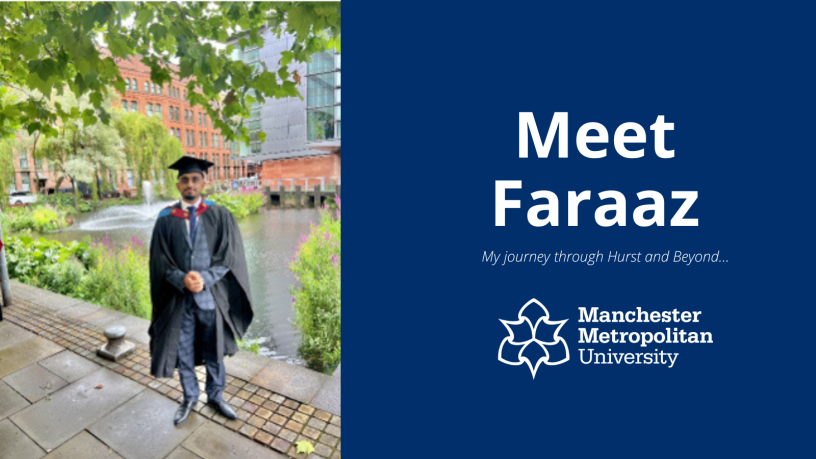
How did you balance academic responsibilities with social life during your time at university?
During my time at university, balance was essential. I knew that to succeed, I couldn’t leave all my work until the end of the semester. Instead, I developed the habit of staying on top of my assignments and studying regularly throughout the year. This approach gave me a better understanding of the material and helped me avoid the stress of last-minute cramming. Of course, university isn’t just about academics—it’s also a time for personal growth and building relationships. I made sure to participate in social activities but was mindful of when to say no, especially when I had important deadlines or exams approaching. It’s all about setting priorities and recognizing that sometimes short-term sacrifices are necessary for long-term success. It’s perfectly fine to turn down a social event if it means you’re investing in your future.
What attracted you to a career in Accounting/Auditing?
I’ve always had a passion for numbers. From a young age, I enjoyed working with figures, although I was more drawn to the practical aspects of mathematics—like problem-solving and analysing numbers—than the more abstract elements such as algebra. When exploring potential career paths, accounting stood out to me because it offered a balance of structured problem-solving and real-world application. Auditing, in particular, allowed me to dive deeper into financial data, ensuring accuracy and providing insights that help businesses improve. What attracted me most to this field was its dynamic nature. In accounting and auditing, no two days are the same. You’re constantly learning about different industries, adapting to new regulations, and interacting with clients, all of which contribute to your growth as a professional. It’s a career that rewards analytical thinking, attention to detail, and the desire to make a positive impact on the financial health of organisations.
How has your degree in Finance and Economics prepared you for this role?
My degree laid the foundation for my career in accounting and finance. The combination of finance and economics provided me with a well-rounded understanding of the financial landscape—how businesses operate within the broader economy, how financial markets function, and how to interpret and apply financial data. I wasn’t just learning about numbers; I was learning how those numbers tell a story and how they influence business decisions. The analytical skills I developed during my degree have been invaluable, as accounting and auditing require a sharp eye for detail, a solid understanding of financial principles, and the ability to think critically. One of the things I appreciated most about my degree was its ability to bridge theory with practical application. This made the transition to my graduate role at Hurst Accountants much smoother and gave me the confidence to tackle real-world accounting challenges head-on.
Describe your life in 3 words since graduating?
They would be exciting, interesting, and rewarding. “Exciting” because each step has brought new challenges and opportunities. “Interesting” because the accounting profession has exposed me to various industries and business scenarios that constantly keep me learning. And “Rewarding” because the hard work I put into my education and early career is now paying off. I can see tangible results from my efforts, both in terms of career progression and personal growth.
What top advice would you give to current students who are navigating their academic paths?
My best advice is to be consistent with your studies. Don’t wait until the last minute to complete assignments or prepare for exams. Working steadily throughout the year not only reduces stress but also helps you absorb and understand the material more effectively. This approach was incredibly helpful when I transitioned into my graduate role, as I wasn’t simply memorising information—I genuinely understood the concepts I was applying.
Additionally, don’t underestimate the importance of maintaining a work-life balance. It’s okay to say no to social events if you need to focus on your studies. Think of it as an investment in your future. However, make sure you also enjoy your university experience. Building friendships and engaging in extracurricular activities are just as important for shaping you into a well-rounded individual. Lastly, always keep the bigger picture in mind. The effort you put in now will create opportunities for you later on. Stay focused on your goals and keep pushing forward, even when things get challenging.
Make sure to apply for HURST Assessment Centre on Wednesday 13 November, be sure to send over your CV and a covering letter to a.hardy-Watmough@mmu.ac.uk.
The deadline for applications is Wednesday 6 November. Check out https://www.hurst.co.uk/careers/working-hurst for any job opportunities.
 Finance & Economics Hub